The quick answer for a Nazgul-style repair bench

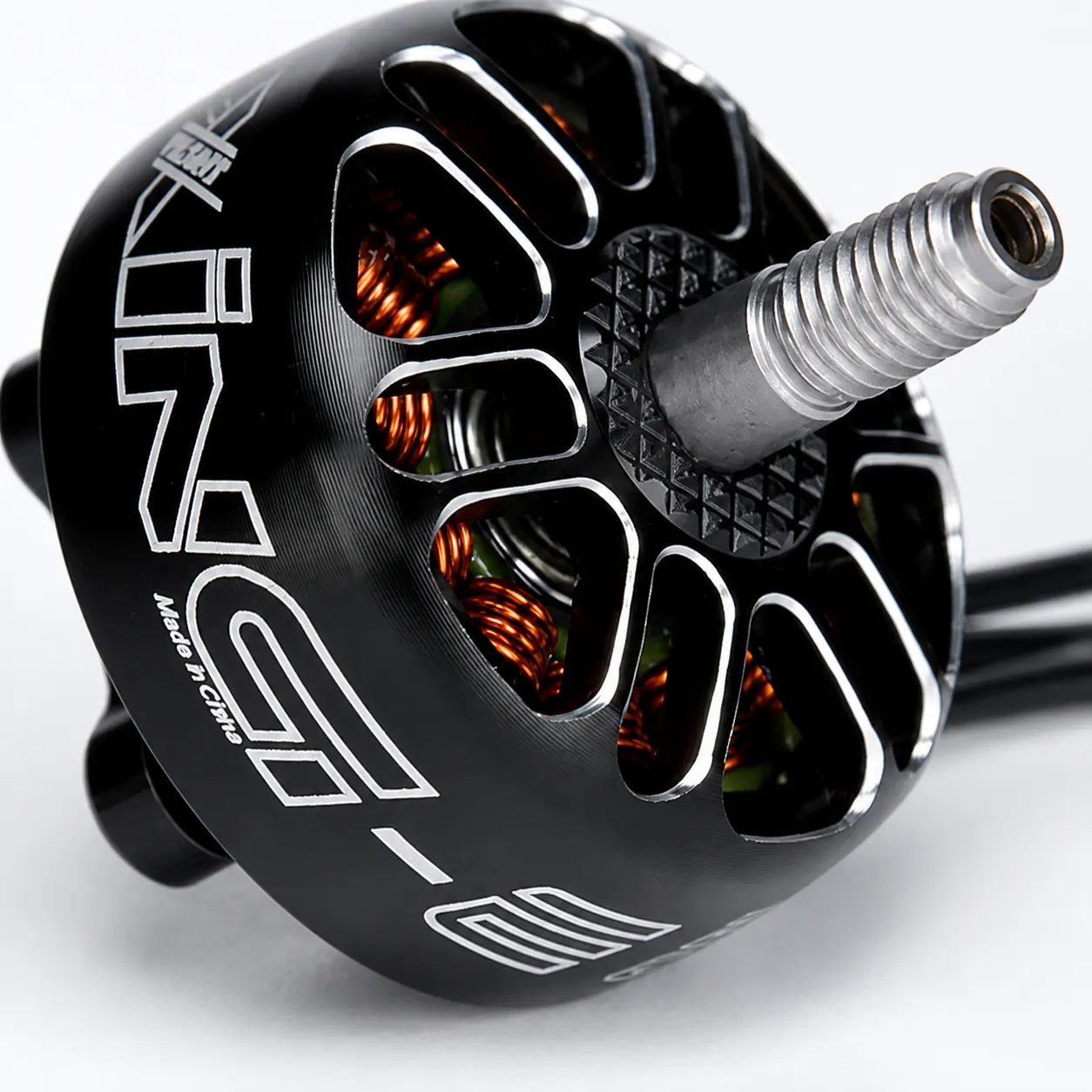
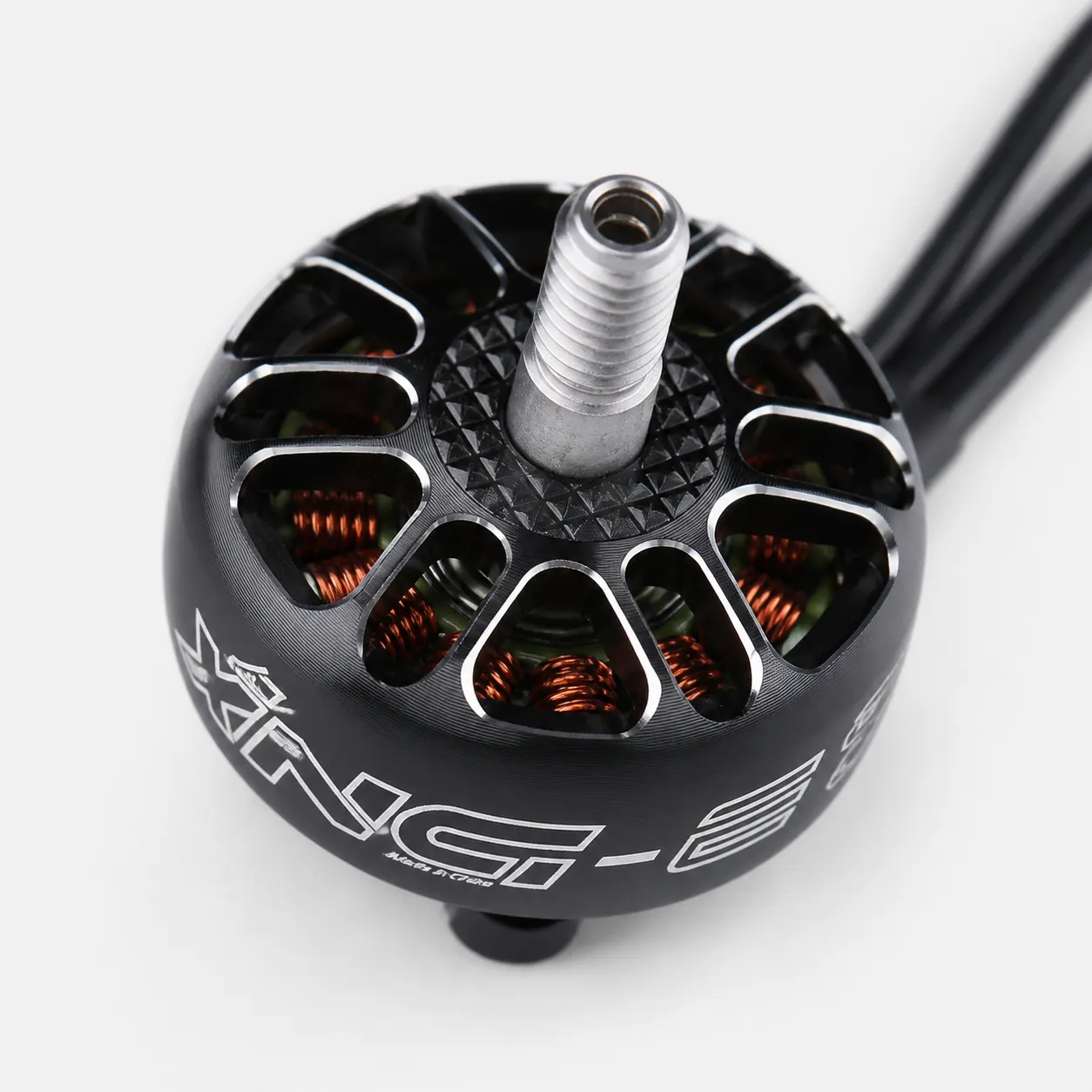
If your current quad is already built around 2207, 1800KV and 6S motors, the iFlight XING-E Pro 2207 1800KV 6S selected SKU is the type of part you would check first for a nazgul5 2207 1800kv motor replacement. The key is to match the documented fields, not to guess from a similar-looking motor. Confirm that your existing motor label, build notes or original parts list says 2207 and 1800KV on a 6S setup before treating this as a like-for-like replacement.
On a UK packing bench, club table or small workshop, this is usually a downtime problem rather than a shopping browse. One motor feels rough after a crash, a shaft looks bent, or a previous motor has smoked and the quad is grounded before a weekend session. The sensible buying decision is narrow: identify the failed corner, confirm the current motor family and KV, check that the selected option is the 1800KV 6S version rather than a 2450KV or 2750KV variant, then decide whether you are replacing one motor or stocking a spare.
The UK repair setting where exact matching matters
A 5-inch FPV quad repair in a UK home workshop often happens under time pressure. The pilot may have a club meet, a field session or a filming plan coming up, but the quad on the bench only needs one specific fault solved. That is why the product title matters: iFlight XING-E Pro 2207 1800KV 6S FPV Brushless Motor gives you the family, motor size, KV and battery class to compare against your existing build rather than a vague “FPV motor” label.
This is also where human habit can cause expensive mistakes. After a crash, people tend to search quickly, skim variant selectors and buy the option that looks close enough. For this job, close enough is not the standard. The frozen facts say the selected SKU is locked to the 1800KV 6S option and that the selected option distinguishes it from 2450KV and 2750KV variants. Treat those numbers as the first gate before thinking about price, delivery or whether one spare on the shelf would make future repairs easier.
The documented facts to check against your existing motor
The documented product facts are deliberately limited, which is useful for this kind of repair. The item is an iFlight XING-E Pro 2207 FPV brushless motor in the 1800KV 6S selected configuration. The listed attributes describe it as a 2207 racing motor, and the listing separates this option from higher-KV variants. Those facts are enough to decide whether it belongs in the same conversation as your existing 2207 1800KV 6S motor, but not enough to skip your own installation checks.
Before checkout, compare the words on the product page with the words on your damaged motor or original build spec. “2207” should match the motor size you are replacing. “1800KV” should match the KV you are trying to keep consistent across the quad. “6S” should match the battery system the quad is built around. “XING-E Pro” should be compared carefully if your existing motor is from a similar iFlight family, because near-identical names can still create uncertainty if you are relying on memory rather than a label or parts list.
The common mismatch points that should stop the purchase
Do not buy this just because the quad is a Nazgul-style machine or because the motor looks visually similar in a product image. If your existing quad uses a different KV, a different motor size, a 4S setup, or a different motor family you are trying to keep perfectly matched, pause and verify. The supplied facts only support this as the selected 2207 1800KV 6S XING-E Pro option. They do not prove fitment for every Nazgul, custom frame, ESC, propeller, wire length or mounting situation.
This is also not a cure-all for a quad that has an unknown electrical fault. If a motor smoked, the motor may be the visible failure, but you still need to consider whether the ESC, wiring, prop condition or setup caused the damage. If you are unsure what failed, replacing the motor alone may not solve the underlying problem. Newer pilots should also be clear that this is a brushless motor only. It is not an ESC, frame, propeller set, toy-drone repair kit or full four-motor bundle unless a listing separately states that.
A practical replacement checklist for the packing bench
Use this checklist as a working object while the quad is on the bench. First, read the damaged motor label or your build record and confirm 2207, 1800KV and 6S. Second, check that the listing’s selected SKU is the iFlight XING-E Pro 2207 1800KV 6S option, not the 2450KV or 2750KV variant. Third, decide whether you are replacing one damaged corner or buying a spare for the parts drawer, remembering that the facts here describe a motor, not a full set.
Fourth, inspect the repair environment before power-up: propeller removed, motor screws checked for length, wires routed without strain, ESC area inspected for obvious damage, and the failed motor’s cause considered rather than ignored. Fifth, compare physical setup details from your own quad, such as motor direction needs, mounting pattern, wire route and clearance. Sixth, after fitting, treat the first power checks cautiously. The documented product facts establish the selected motor identity; your bench checks establish whether the installation is sensible on your particular quad.
How builders should read 2207, 1800KV and 6S here
For a builder rather than a crash-repair buyer, the same facts answer a slightly different question. “2207” describes the motor size category shown in the listing. “1800KV” identifies the selected KV option. “6S” places it in the six-cell FPV build conversation. That does not automatically make it right for every frame, propeller, ESC or flying style, but it does tell you what sort of parts-list slot this motor is trying to fill.
The mistake to avoid is treating higher KV as automatically better. The frozen input specifically says the selected option distinguishes 1800KV 6S from 2450KV and 2750KV variants, which means variant choice is part of the decision. If your build plan is already based on 6S and 1800KV, this product title gives you a clear matching point. If your parts list is still undecided, settle the frame, battery system, ESC suitability and prop direction questions before using any single motor page as the centre of the build.
Who should not treat this as the right answer
This is not the right buy for someone who cannot confirm their existing motor size, KV or battery setup. It is also not the right answer for a pilot looking for an RC car motor, a tiny brushed toy-drone motor, an ESC, a flight controller, propellers or a complete repair kit. The public facts only support one selected product identity: iFlight XING-E Pro 2207 1800KV 6S FPV brushless motor. Anything outside that needs separate evidence.
It may also be the wrong move if you are trying to fix symptoms rather than a diagnosed failed motor. A rough bearing feel, visible impact damage or a known missing spare is a clearer replacement case than “the quad twitched once and I think it is the motor”. If you are new to FPV, use the product facts as labels to understand, not as permission to guess. Match the current build first, then ask a club member, builder or repairer to sanity-check the wider setup if the failure was electrical or unexplained.
The grounded next step before checkout
Put the damaged quad, the product page and your original build information in front of you at the same time. If all three say the same useful things — 2207, 1800KV and 6S — then the iFlight XING-E Pro 2207 1800KV 6S listing is a credible replacement candidate for that specific motor slot. If one of those fields is missing or different, stop and verify rather than hoping the quad will tolerate the mismatch.
For a UK buyer, the commerce details in the supplied facts are straightforward: price is listed in GBP at 60.1, VAT is included, and the policy states Free UK Delivery with 1–3 business days processing and 2–4 business days delivery after dispatch. There is also a 30-day return window in the supplied policy information. Those details help with timing, but they should come after compatibility. The repair succeeds when the replacement matches the build and the bench checks are done properly, not simply when a motor arrives quickly.